Well, I hope a few of you are still around after waiting almost two months on this long-overdue blog. No specific issue(s) – just many interruptions and other commitments.
The last blog (Part 7; Blog #31) described the development of life over a vast time period from about 3.5 billion years ago (Bya) to about 0.6 Bya. As summarized in Part 7, “Single-cell bacteria seemingly appeared instantaneously as soon as the Earth became habitable approximately 4.1 Bya.” However, very few evolutionary advancements appear in the fossil record over the next 3.5 By (until about 0.6 Bya).” Single-cell, prokaryotic bacteria (supposedly Cyanobacteria, or “blue-green algae”) mark the earliest introduction of identifiable life at about 3.8-3.5 Bya. Single cell, eukaryotic, green algae appeared about 3.0 Bya. And that’s basically how things remained—just single cell organisms-until the Vendian period began at 0.65 Bya (650 million years ago, or Mya).
The Vendian period marked the first appearance of multi-cellular organisms in the fossil record. The Ediacaran sub-group appeared within the Vendian about 0.6 Bya (600 Mya; Figure 1); it included the most abundant assemblage of organisms. As noted in Part 7, they were relatively simple. They had no circulatory system, brain, or other organs found in advanced lifeforms. Some vaguely resembled today’s coral-type animals, many others were unique.
The significant point for this discussion is that around 543 Mya most of the Ediacaran fauna simply disappeared during a major extinction event (see Part 7; Blog #31). The few life forms that survived and progressed into the Cambrian are speculative and hotly debated among evolutionary biologists. They posit that these must have become the potential precursors of the Cambrian fauna. Other scientists consider it questionable considering the explosive diversity of life in the Cambrian. We’ll revisit this debate later.
The Cambrian Explosion: History and Conflicts
This document on the Cambrian Explosion has been the intended goal of most of the blogs in the Evolution series. “Cambrian” means “life,” and after waiting almost four billion years for today’s “recent” life forms to appear in the fossil record, what an appropriate name it is!
The shocking diversity of life that suddenly appeared in the Cambrian rocks has been known for years, as has the apparent absence of fossils in strata beneath (older than) the Cambrian. Even Darwin himself recognized the dilemma. He regarded the absence of rich, fossiliferous strata beneath (i.e., predating) the Cambrian as one of the greatest arguments against his theory of slow, progressive change in lifeforms via an evolutionary sequence. He honestly acknowledged and discussed the challenge in his book, On the Origin of the Species: 1
The ”case” that Darwin referred to was the absence of fossils that displayed the gradual, evolutionary change that his theory proposed. His additional comments follow:1
His conclusion and defense of evolutionary theory irrespective of the discrepancy in the fossil record follows: 1
In other words, “We just haven’t found them yet (the missing, pre-Cambrian fossils)!” This is precisely the same argument provided to our paleontology class by our Texas A&M professor almost 100 years later (in 1975) when asked about the abruptness of the Cambrian Explosion fossil record.
Another lesser-known and interesting dilemma that Darwin wrestled was the brief amount of time in the geological record to support such a rich diversity of life via evolution. In the mid- to late 1800’s, the earth was postulated to be only about 200 million years of age (140 My pre-Cambrian, and 60 My Cambrian forward). Here is another reference by Darwin regarding this additional dilemma:1
So clearly, Charles Darwin envisioned a 200 My period as insufficient for the rich diversity of life forms we see today; and 140 My as insufficient time to produce the rich biota present within the Cambrian, itself. Keep these time periods in mind.
And with this in mind, I’ll structure the remainder of this blog using a series of recent discoveries that demonstrate successively decreasing measures of time between the end of the Vendian period with its multicellular Ediacaran life forms, and the Cambrian explosion of life. Charles Darwin questioned if a 140 My period was sufficient for the evolution of the rich biota present in the Cambrian, but Darwin had no idea just how brief that period was.
The Cambrian Explosion: Basic Geological Information (See also Appendix 1)
Fossils are found in sediment deposits within former basins. Basins are areas of crustal subsidence (down-warping) that receive marine and river-borne sediments. They occur sporadically through time in various areas. No location on Earth’s surface has a continuous record of sediment and fossil deposition. The geological processes of basin formation, fossil deposition / preservation, and the challenge to discover the gradual change in the fossil sequences that Darwin proposed are discussed more thoroughly in Appendix 1 for those interested.
In short, mappable surface exposures of rocks that include the end of the Vendian period and the earliest Cambrian sediments (with preserved Explosion fossils) are extremely rare. Three of these exceptional locations are discussed in the following sections.
Figure 1 is an idealized geologic column that was presented in Part 7 to visualize the dates and duration of the Vendian period. The column is expanded in Figure 2 to incorporate the smaller time periods associated with the early Cambrian period.
The Cambrian Explosion: Burgess Shale (1909)
Charles Darwin, in his book On the Origin of the Species made several references to European Cambrian rocks that contain a rich diversity of fossils.1 So diverse, in fact, that Darwin seriously pondered if such an ecosystem could have evolved and been established in only 140 My as discussed above. He had no knowledge of the Ediacaran fossils which predated the Cambrian period and were discovered in 1946. Their disappearance at about 540 Mya established a new starting point for when the Cambrian fauna might have emerged.
In 1909, Charles Walcott (Secretary of the Smithsonian Museum) discovered what became a world-famous fossiliferous section in mountainous terrain about 55 miles west of Banff, near Field, British Columbia (Fig. 3).2 The fossils occurred in several stacked intervals (strata) of shale at the foot of an ancient reef system (Fig. 4). Mud slides along the face of the reef delicately buried the Cambrian creatures in anoxic sediment and provided extremely fine preservation details (referred to as a “Lagerstatten” deposit; see Appendix 1).
Walcott discovered the most diverse collection of marine fossils (mostly arthropods) ever observed. He collected over 65,000 samples. The creatures included Ottoia (large carnivorous worms), morphologically advanced trilobites, bizarre arthropods like Anomalocaris (1-2 m in length and carnivorous) and Opabinia (5-eyed shrimp-like organism with a vacuum cleaner-like snout), Hallugenia (bizarre, worm-like creatures with seven pairs of spines and tentacles), mollusks, sponges, and other creatures that were similar to forms observed in more recent strata (see Figures 5-6). Two quotes summarize the discovery:3
“Suddenly, geologically speaking… the oceans were teeming with more than 70 body designs (Phyla). Today, there are only 30 or so of these unique body types left.”
(A “phylum” is a large biological grouping of animals that include specific characteristics that make the grouping unique. For example, the single phylum Chordata includes every organism with a backbone – birds, fish, mammals, and man.) And the second quote:4
Hopefully, you now begin to appreciate the incredible diversity of fossils of the Burgess Shale and its significance. It reflects a fully developed ecosystem with predator-prey relationships. The deposit was designated a World Heritage Site in 1980 and continues to be intensely studied. However, it was also classified as a “Mid-Cambrian” deposit, meaning that it was 33 My removed from the end of the Vendian period. Would that gap be narrowed?
The Cambrian Explosion: Chengjiang Site (1984)
In 1984, another Lagerstatten deposit was discovered in Southern China in the Yunnan Province near the city of Chengjiang (Figure 7) Very accurate U-Pb age data from volcanic ash deposits in the local outcrops dated the strata as Early-Cambrian—525 Mya, and hence, 18 My older than the Burgess Shale.5 This closed the gap between the end of the Vendian and the first known Cambrian fauna to 18 My.
But how many of the Burgess Shale fossil types existed 18 My earlier at Chengjiang? The following reference compares the two faunas:6
And there you have it. Only 18 My after the end of the Vendian period, and the Cambrian Explosion was already over and the fossil assemblages between the Burgess Shale and Chengjiang were practically identical. In other words, we see the same fossils at each site: trilobites, Halluciginia, Opabinia, etc. (Figures 8, 9). But can we close the time gap to the Explosion even further?
The Cambrian Explosion: Chengjiang Site (Recent; 2019)
Since the discovery of the Chengjiang fossil locality in 1984, numerous field investigations have identified many outcrops of Early Cambrian deposits throughout Southern China7 These additional studies determined that the end of the Vendian period is actually 541 Mya instead of 543 Mya, shortening the gap by another 2 My.
Sites were discovered near the Kumming area in the eastern Yunnan province in 2003 that included the boundary between the Vendian and the lowest (Earliest) Cambrian formation.6,7 Hence, a detailed outcrop expression of the pre-Cambrian – Cambrian boundary was established, although no age dates were available. A summary of the area is provided below, a detailed stratigraphic column is shown in the original paper:8
In 2019, a site in South China’s Guizhou Province was discovered that also includes the boundary between the Vendian (with Vendian fosssils) and the lowest (Earliest) Cambrian formation (with Cambrian fossils) in the adjacent, overlying strata. It also included a tuffaceous (volcanic ash) layer for precise U/Pb age dates and a negative 13C isotope excursion that may be globally diagnostic of the base (lower boundary) of the Cambrian.9, 10 Several age dates from the area were obtained, and the weighted mean was 540.7 + 3.8 Mya. Unfortunately, numerous thinly-bedded strata in the area contributed to the unusually large age uncertainty of 3.8 My. However, even with this uncertainty, the gap between the Vendian and earliest Cambrian fossils was shortened to a range of approximately 0.5 to 4 My.
The Cambrian Explosion: Namibia (2019)
The latest (youngest) occurrence of the Ediacaran fauna was originally identified in Namibia, (southwest Africa) in 1997.11 Recent (2019) field investigations in the area also identified an outcrop of the pre-Cambrian-Cambrian boundary. Fortunately, the area includes numerous, thin strata of volcanic ash suited for very accurate age-dating through zircon U/Pb. The authors were able to constrain the gap between the Vendian and Cambrian periods to the smallest interval yet.12
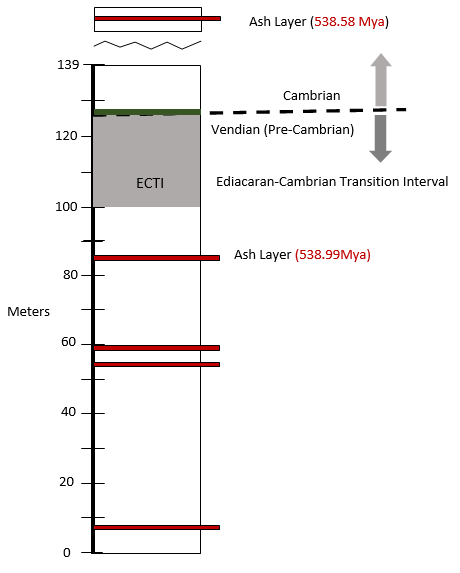
A simplified version of the site’s stratigraphic column is included in Figure 10 (the original, detailed column is included in the article).12 The uppermost Vendian strata include five small ash intervals, and the respective Ediacaran fossils are identified in the intervening strata. The Ediacaran fossils begin to disappear near the top of the Vendian sequence in an interval that the authors term, “Ediacaran-Cambrian Transition Interval (or, ECTI; Figure 10). The ECTI also includes the earliest traces of Cambrian life; whereas the interval just above the ECTI includes the sudden appearance of complex, bilateral Cambrian organisms identified from complex worm traces (the Namibian site was a higher-energy environment—no soft-body fossils are available; worm tracks that are diagnostic of the Early Cambrian were used to identify the boundary).
Another ash layer was identified in the overlying Cambrian strata.12 Hence, it provided an age interval between the uppermost ash in the Vendian and the lower Cambrian fauna. The uppermost Vendian ash layer was dated at 538.99 + 0.21 Mya. The date of the lowest Cambrian ash layer was 538.58 + 0.19. The difference between the two dates is 410,000 years!! And the two ash layers are separated by a 60-meter sequence of sediment containing the pre-Cambrian-Cambrian boundary; the true explosion interval is likely a much smaller fraction of this value!! Hence, it truly was an explosion of life.
Biblical (Scriptural) Correlation
So, can any of this geologic information (God’s Truth revealed through creation, Rom. 1:18-20; the third leg of the “stool of Truth,” Blog # 2) be correlated with Scripture (the second leg of the “stool of Truth)? Does Scripture comment on the explosive initiation of sea life that seems to be apparent through His creation? (As we’ve seen repeatedly, Romans 1:18-20 tells us to look at God’s creation to learn more of His character.) Can we gain further insight through Scripture?
Let’s return to Genesis 1 and carefully study the text for Day 5:
Genesis 1:20-23
Did you see it?
God “created” every living creature with which the ocean waters teem. This is only the second time in Genesis 1 that the word “bara” is used to describe God’s act of creation. Again, “bara” means “to bring into existence something which did not exist beforehand.” In other words, He spoke, and “poof” it happened. His first “bara” was in Genesis 1:1 when He spoke, and the totality of the universe came into existence as the creation event. According to the biblical text, when God spoke (“bara”) the second time, the ocean’s life forms swarmed into existence. So, does the pre-Cambrian-Cambrian boundary in the fossil record mark the moment God spoke—and the precise beginning of the fifth day of creation?
This, for me, is an overwhelmingly united confirmation of the presence of God through His Word and His Creation.
We’ll wrap-up our discussion series on Evolution with the next blog. I’ll summarize the data from this lengthy paper and hopefully integrate it with the other blogs in this series. Until then, reflect upon the Day 5 events as described in Genesis 1:20-23, integrated with Paul’s message to understand God through His creation (Romans 1:18-20). And finally, consider the remainder of Paul’s message to those who choose to ignore the evidence of God’s existence through His Creation in Romans 1:21-24.
1Darwin, Charles (1859/1872). On the Origin of the Species; 6th Edition (1872), Chapter 10. Full versions of the 1st and 6th Editions are available on WikiSource: https://en.wikipedia.org/wiki/Wikisource
2Wikipedia; Burgess Shale: https://en.wikipedia.org/wiki/Burgess Shale
3J. Clayton, Jansma, N. (2001). The Source; Howard Publishing Co.; 282pp.
4S. J. Gould (1989) Wonderful Life: The Burgess Shale and the Nature of History; 352pp. https://www.goodreads.com/en/book/show/36475
5International Commission of Geoheritage (IUGS; 2019?) Cambrian Chengjiang Fossil Site and Lagerstatte; https://iugs-geoheritage.org/geoheritage_sites/cambrian-chengjiang-fossil-site-chengjiang-lagerstatte/
6M. Zhu, Babcock, L., Steiner, M. (2005). Fossilization Modes in the Chengjiang Lagerstätte (Cambrian of China): Testing the Roles of Organic Preservation and Diagenetic Alteration in Exceptional Preservation; in Paleogeography, Paleoclimatology, Paleoecology, Vol. 222, Issues 1-2; pp. 31-46. Elsevier. https://www.sciencedirect.com/science/article/abs/pii/S0031018204005760
7Collins, D. 2000. The geology and biology of the Middle Cambrian Burgess Shale, Canada’s most important fossil fauna. Canadian Society of Exploration Geophysicists, Conference Abstracts: 141.Google Scholar
8Xianguang Hou; Bergstrom, J (2003) The Chengjiang Fauna—The Oldest Preserved Animal Community; Paleontological Research, 7(1):55-70 (March 31, 2003) https://doi.org/10.2517/prpsj.7.55
9Can Chen and Qinglai Feng, (2019) Carbonate Carbon Isotope Chemostratigraphy and U-Pb Zircon Geochronology of the Liuchapo Formation in South China: Constraints on the Ediacaran-Cambrian Boundary in Deep-Water Sequences, Palaeogeography, Palaeoclimatology, Palaeoecology 535 (December 2019): id. 109361, doi: 10;.1016/j.palaeo.2019.109361.
10Ross, H. (2022) Cambrian Explosion Becomes More Explosive; Reasons to Believe; Blogs, (January 17, 2022) https://reasons.org/explore/blogs/todays-new-reason-to-believe/cambrian-explosion-becomes-more-explosive
11Guy M. Narbonne, Beverly Z. Saylor and John P. Grotzinger (1997) The Youngest Ediacaran Fossils from Southern Africa; Journal of Paleontology; Vol. 71, No. 6 (Nov., 1997), pp. 953-967 (15 pages) https://www.jstor.org/stable/1306595
12Ulf Linnemann et al. (2019) New High-Resolution Age Data from the Ediacaran-Cambrian Boundary Indicate Rapid, Ecologically Driven Onset of the Cambrian Explosion, Terra Nova 31, no. 1 (February 2019): 49–58, doi:10.1111/ter.12368.
App1Wikipedia; Archaeopteryx: https://en.wikipedia.org/wiki/Archaeopteryx
Figure 1. Stratigraphic scale of the geological divisions leading up to the Cambrian Period. The left-hand scale with negative numbers identifies the years before present (in millions). Discussed in Blog #31 (Part 7 of Evolution Series).
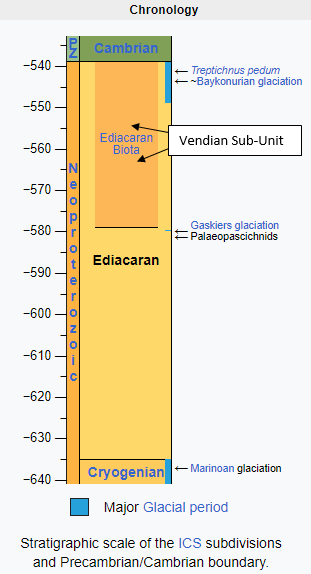
Figure 2. Geologic column showing age of Burgess Shale (510 Mya) relative to the end of the Vendian Pre-Cambrian period (543 Mya). Only 33 My are available before the diverse Cambrian ecology displayed in the Shale.
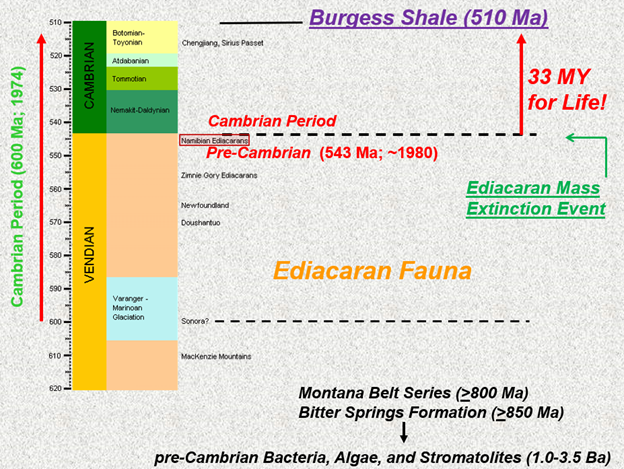
Figure 3. Location of Burgess Shale and fossil quarry in British Columbia, Canada. Also shown is Charles Walcott, who collected 65,000 specimens from the shale.
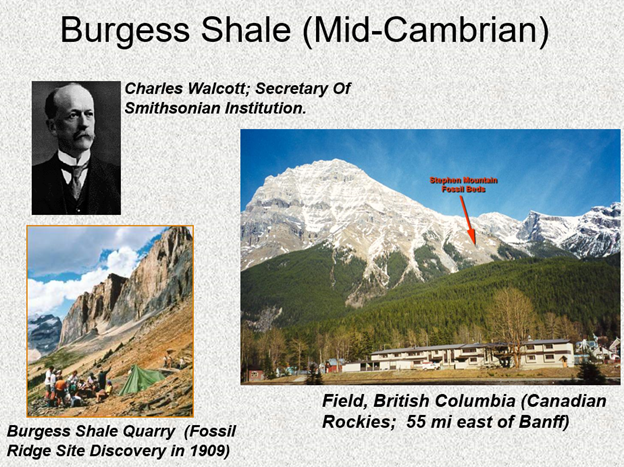
Figure 4. Burgess Shale depositional model, the outcrop and quarry expression, and the fossiliferous shale strata.

Figure 5. Examples of Burgess Shale Fauna—Anomalocaris, Opabinia, Marella, and Halluceginia
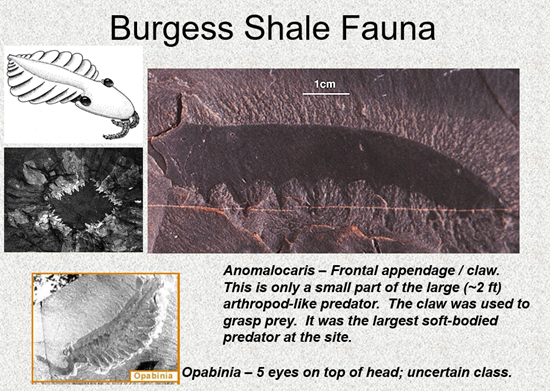
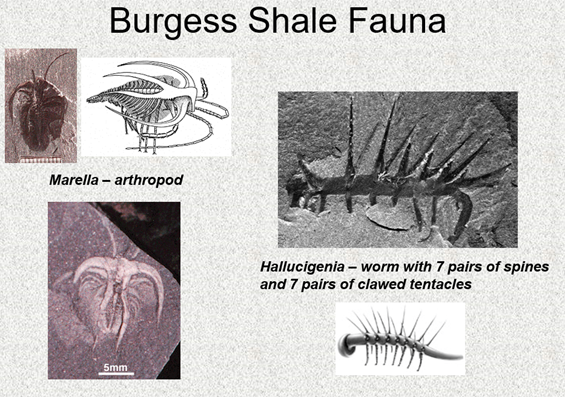
Figure 6. Examples of Burgess Shale Fauna—Ottoia, Tuzola, Vauxia, and the trilobite Olenoides.
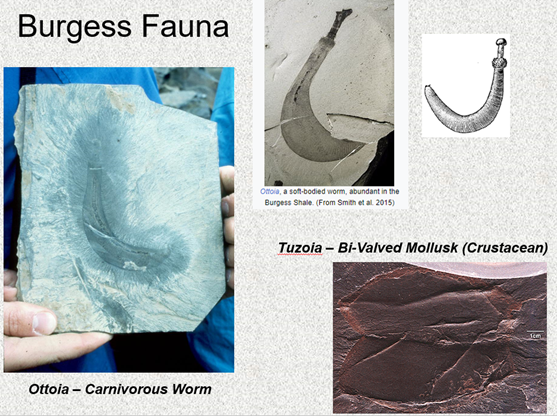
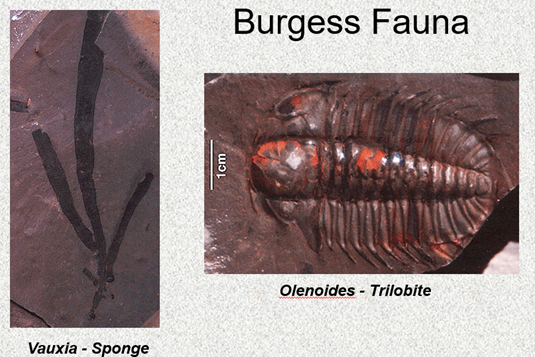
Figure 7. Location and examples of Chengjiang terrain.
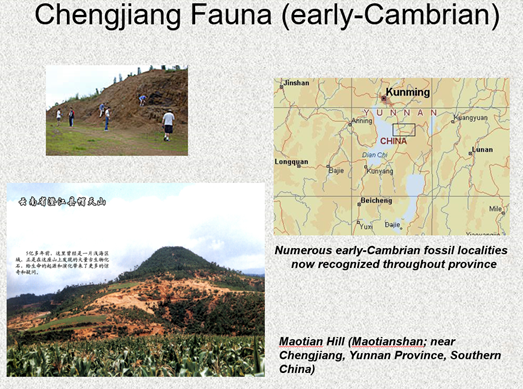
Figure 8. Examples of Chengjiang Early Cambrian outcrop expressions.
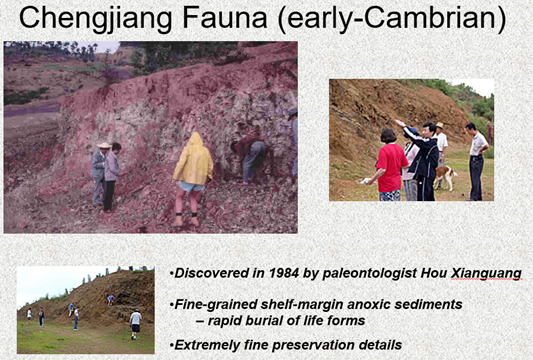
Figure 8. Examples of Chengia trilobites
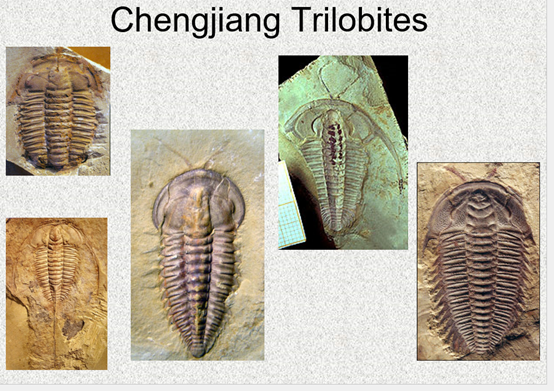
Figure 9. Examples of other Chengjiang fauna.
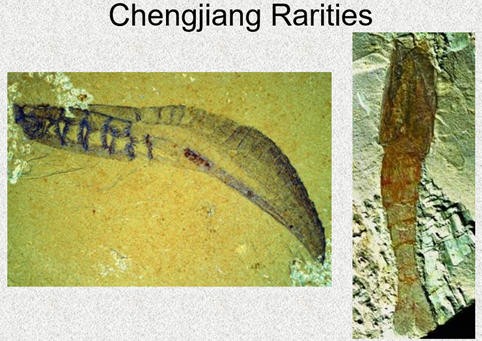
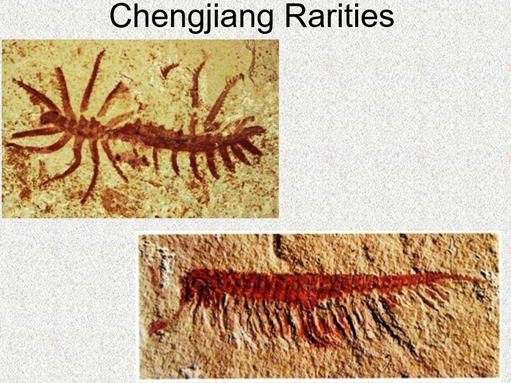
Figure 10. Simplified stratigraphic column of Namibia site.
APPENDIX 1
Fossils are generally found in the sediments of basins. Basins form where the earth’s crust has down-flexed, generally below sea-level. Many structural geologic processes can create a basin, but they often occur adjacent to continental margins. Think of the Texas Gulf Coast and the Gulf of Suez. Layers (strata) of sediment are delivered to these subsiding regions by rivers and other avenues of surface water runoff. Marine animals that lived in the seawater and expire may be buried by the sediment, preserved, and chemically transformed into fossils. Hence, a basin is an area of crustal subsidence that receives sediment and the remains of its extant organisms.
Basins come and go—when the crust rebounds or the ocean levels drop, the former sediments, now above sea level, begin to erode and sediment and fossil deposition cease. This process of subsidence and rebound can occur over several extended, geologic cycles—the Four Corners area within the southwestern U.S. has experienced four to five cycles of basinal deposition. Each rebound period (where erosion has occurred) is termed an “unconformity.” Several major unconformities are observed, for example, in the Grand Canyon sediment sequence. Hence, fossils are found today in areas that were periodically below sea level. No area on earth has a complete sediment profile – we see sporadic pulses of life from differing time periods in different locations.
The mode of sediment deposition also has a huge effect upon the types of fossils preserved. Areas near former shorelines, for example, experience waves and reflect high energy environments. Only the toughest of shells can survive and become fossilized. Other environments include deep-water settings with very low energy and often with reduced levels of oxygen. Fossils from these environments may be exquisitely preserved—even delicate, soft body parts may be displayed through complex geochemical transformations.1 These types of deposits are termed “Lagerstattes” (from German “storage place”) and provide some of the richest snapshots of early life forms and their ecosystems discovered to date.
Finally, Darwin’s model of gradual, evolutionary change should be evident in the fossil record. Paleontologists (scientists that study fossils) anticipate and search for these trends within basinal sediment. Figure Appndx 1 displays the slow, evolutionary change that was suggested for sea mammals through much of the 20th century. Figure Appndx 2 demonstrates how the trend might be assembled through the fossil assemblages from several basins.
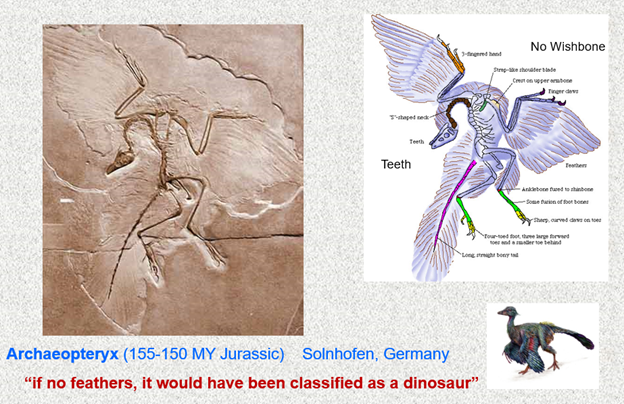
Transitional fossils are considered the highly prized and strongest paleontological evidence of evolutionary change. Archaeopteryx fossils from ancient German lake sediment deposits (Figure Appndx 3) have long been considered the physical “proof” of an evolutionary transition from reptiles to birds. Since then, 12 other specimens have been discovered. There is currently much debate on its true identity – bird or dinosaur. Many researchers lean toward the latter. App1
Hopefully, this section demonstrates that fossils are rare expressions of life in the sediment record. Many processes can destroy the organism’s remains prior to fossilization. Darwin recognized this difficulty in proving his theory of evolution. He dedicated several pages in Chapter 10 of his Origin of Life to explain, through various geologic processes, the absence of transitional fossils and the absence of a continual progression of life forms within a fossiliferous section. His explanations are largely correct, especially when focused upon one specific locality. And hence, exhaustive investigations over the last century have searched for those rare locations that include a continuous transition from Ediacaran fossils of the Vendian period to the earliest Cambrian sediments that also contain preserved fossils.
Figure Appndx 1. Early 20th century concept of mammal evolution leading to whales.
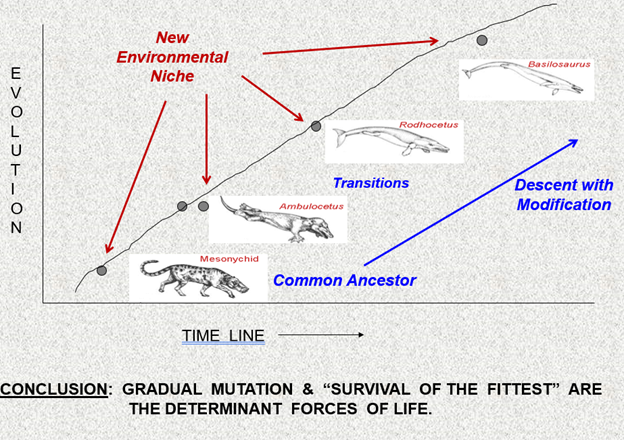
Figure Appndx 2. Example of how the evolutionary sequence for whales might be constructed from incomplete records in several basins. A complete sequence is rarely identified within the deposits from a single basin.
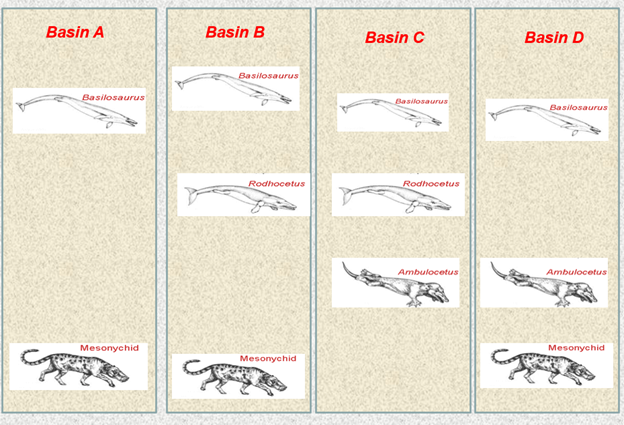
Figure Appndx 3. Excellently preserved fossil of Archeopteryx. Considered by evolutionary biologists as the classic transition fossil between dinosaurs and the birds.